Facts checked 2026-11-15.
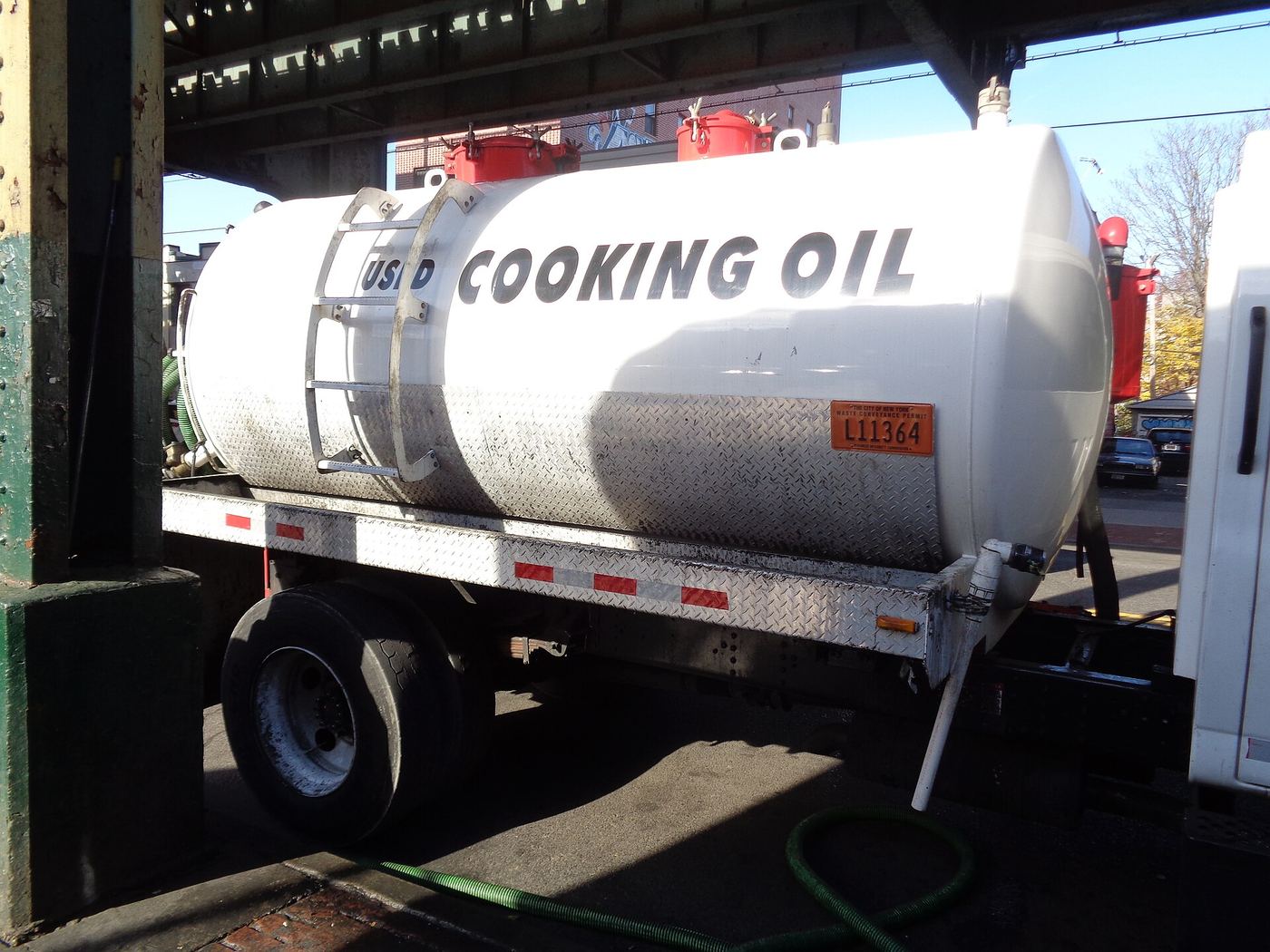

Used cooking oil is the fryer oil you drain at the end of service. In Florida it is handled separately from the grease in your trap. A request sent here goes to a collector that serves your ZIP code, and the collector supplies and empties the bin.
Oil is not trap grease
The state's grease waste law leaves out containers made for collecting used cooking oil when it defines a trap or interceptor. So the hauler license and the manifest system that apply to trap waste do not cover a fryer oil bin. If you also need trap pumping, that is a separate job.
What a pickup involves
A collector sets a container at your site and comes back on a schedule. Agree in writing on how often it comes, who owns the container and who cleans up spills.
Get prices for this job. Send one request and pick how many local companies quote it.
Get quotesPayment
Some collectors pay for the oil, and others take it away at no charge. A 2013 state environmental guidance document says restaurant fats and oils are typically bought from the restaurant or collected for recycling free. We found no source for current rates, so ask for terms in writing before you sign.
Where to keep the bin
We found no statewide rule on how a restaurant stores its used oil. Your fire marshal, your landlord and your utility may each have a view on placement, containment and spill cleanup. The dumpster and storage area also appear on your DBPR plan for a new kitchen.
Theft
Oil has resale value, and bins get pumped out overnight. A May 2024 news report described two men charged after about 150 gallons were pumped from two St. Petersburg restaurants. No Florida law is written just for this, so police use the general theft statutes.
A locked bin, if the collector offers one, makes the theft harder. Report any loss to the police.
Licenses and registrations
We found no state license aimed at cooking oil collectors. The state environmental agency does register used oil transporters and processors yearly, but we could not confirm that the program covers cooking oil. Ask any collector which registrations it holds.
Before you sign
Read how the agreement ends. A pickup contract that renews on its own can be hard to leave, so ask how to cancel and who removes the bin afterward. Ask what happens if a pickup is missed.
What to have ready when a company calls
Know about how much oil you go through and the type of fryers you run. Say where the bin would sit and how a truck reaches it.
Questions
Is used cooking oil the same as grease trap waste?
No, Florida handles the two apart. The grease waste law excludes oil containers from its definition of a trap.
Will a collector pay me for used cooking oil?
Some collectors pay and some pick up free. We do not have current rates, so get the terms in writing.
What can I do about used cooking oil theft?
Call the police and keep your pickup records. Florida has no oil-specific law, so officers rely on its general theft rules.